Folk Art Flower Pattern: A Timeless Design Resource for Creative Projects
Imagine a design that carries the warmth of hand-painted ceramics, the charm of vintage quilts, and the joyful spontaneity of childhood drawings—all wrapped into one vibrant, high-resolution floral motif. That’s the essence of the Folk Art Flower Pattern: a versatile, culturally rich visual asset rooted in tradition yet perfectly suited for today’s digital and craft-based creative workflows.
What Is Folk Art Flower Pattern—And Why Does It Resonate?
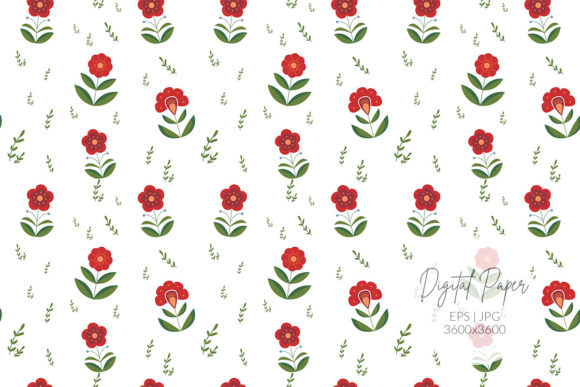
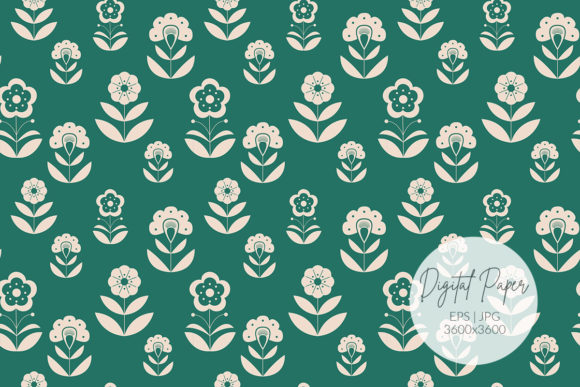
Folk art is not defined by technical precision—but by authenticity, storytelling, and regional identity. A Folk Art Flower Pattern reflects this spirit: think bold outlines, asymmetrical blooms, stylized leaves, and colors applied with expressive freedom rather than botanical accuracy. Unlike hyper-realistic botanical illustrations or minimalist Scandinavian florals, folk art flowers celebrate imperfection, memory, and handmade character.
This isn’t just decoration—it’s cultural language. From Ukrainian pysanky (wax-resist eggs) to Mexican alebrijes, from Appalachian quilt blocks to Swedish Dalmålning, floral motifs have long served as visual shorthand for heritage, celebration, and resilience. Today’s designers and crafters tap into that legacy—not to replicate history, but to honor it while making something new.
Why This Design Fits So Many Creative Needs
The Folk Art Flower Pattern you’re exploring is intentionally crafted for maximum flexibility. Its balanced composition—neither too dense nor too sparse—makes it ideal across mediums. Whether you're printing on fabric, layering in Canva, or cutting vinyl for a greeting card, its clean lines and generous negative space ensure clarity at any scale.
Perfect for Hands-On Crafters
For scrapbookers, this pattern adds nostalgic charm without overwhelming photos or journaling. Its organic rhythm guides the eye naturally across a page. Cardmakers love how easily it adapts to die-cutting or stamping—especially when paired with handwritten typography or watercolor washes. And because it’s designed with consistent spacing and repeat-friendly alignment, it works beautifully as a border, corner accent, or full-page background.
A Smart Choice for Digital Designers
Graphic designers appreciate that this pattern comes in both JPG (3600 × 3600 px) and EPS 10 formats—meaning crisp raster quality for web use *and* infinitely scalable vector fidelity for logos, packaging, or large-format prints. The EPS file retains editable layers and paths, so you can recolor petals, isolate stems, or integrate elements into custom illustrations.
Social media managers find it especially useful for Instagram story templates, Pinterest pins, or Facebook cover banners—where personality and visual cohesion matter more than sterile minimalism. A banner featuring this pattern instantly conveys warmth, creativity, and approachability—qualities that boost engagement and brand trust.
Beyond Aesthetics: Functional Benefits You’ll Notice
- Print-ready resolution: At 3600 × 3600 pixels, the JPG file supports sharp output up to 12" × 12" at 300 DPI—ideal for greeting cards, posters, or small-run wallpaper samples.
- Cross-platform compatibility: EPS 10 works seamlessly with Adobe Illustrator, Affinity Designer, CorelDRAW, and most professional print services.
- No licensing surprises: Designed for personal *and* commercial use—so you can sell printed notebooks, embroidered patches, or digital planners featuring this pattern.
- Zero learning curve: No need to “build” a pattern from scratch—you get a polished, tested, ready-to-use asset that saves hours of design time.
Common Misconceptions—Clarified
Misconception #1: “Folk art = outdated or amateurish.”
Not true. Contemporary brands like Rifle Paper Co., Papier, and even Target’s Hearth & Hand line draw heavily from folk traditions—not as nostalgia bait, but as intentional design strategy. Authentic folk motifs signal sincerity, craftsmanship, and human-centered values in an increasingly algorithm-driven world.
Misconception #2: “A floral pattern is only for spring or feminine themes.”
While flowers evoke renewal, this pattern’s strong outlines, earthy palette options, and rhythmic repetition make it equally effective for rustic weddings, indie book covers, educational worksheets, or even tech startup pitch decks seeking a friendly, non-corporate tone. Context—and thoughtful color choices—determine meaning far more than subject matter alone.
Misconception #3: “High-res means ‘heavy’ or hard to use.”
Thanks to smart compression and modern editing tools, the 3600 × 3600 JPG loads quickly in browsers and imports smoothly into apps like Procreate, Cricut Design Space, or Google Slides. And because the EPS file is vector-based, it stays lightweight regardless of size—no pixelation, no quality loss.
How to Use This Pattern Across Real-World Projects
- Scrapbooking & Journaling: Print the pattern onto kraft paper or vellum, then cut shapes for layered pages. Or use it as a subtle watermark behind handwritten reflections.
- Wallpaper & Home Decor: Scale it down for peel-and-stick accent walls, or enlarge sections for framed textile art. Try reversing colors (white flowers on navy) for dramatic contrast.
- Greeting Cards & Stationery: Combine with foil stamping or embossing for luxe texture—or keep it simple with black ink on cream cardstock for timeless appeal.
- Educational Materials: Teachers use floral borders to frame lesson plans, flashcards, or classroom posters—softening academic content while reinforcing visual literacy.
- Small Business Branding: Integrate one bloom as a logo icon, repeat the pattern as a website background, or feature it on product labels for artisanal goods like candles, teas, or handmade soaps.
Designing With Intention: Tips for Best Results
Even the most beautiful pattern shines brightest when used thoughtfully. Here are three practical tips:
- Respect the rhythm: Folk art thrives on variation. Avoid stretching or skewing the pattern unnaturally—let its inherent balance guide your layout.
- Pair with grounded typography: Use serif fonts (like Playfair Display or Cormorant Garamond) for headings, and friendly sans-serifs (like Quicksand or Nunito) for body text—echoing the pattern’s blend of tradition and accessibility.
- Test color palettes digitally first: Try overlaying soft tints (e.g., sage + terracotta, indigo + oat) before committing to print. Tools like Coolors.co or Adobe Color help maintain harmony.
More Than Just a Download—It’s Creative Confidence
In a world saturated with generic stock graphics and AI-generated sameness, choosing a Folk Art Flower Pattern signals intentionality. It tells your audience: I value craft. I honor tradition. I choose warmth over cold efficiency.
Whether you're a parent designing a birthday banner, a teacher preparing classroom visuals, a freelancer building client branding, or a hobbyist stitching a memory quilt—this pattern meets you where you are. It doesn’t demand advanced skills. It doesn’t require expensive software. It simply offers beauty, utility, and quiet cultural resonance—all in one thoughtful, expertly prepared package.
So go ahead—download the JPG for quick edits, open the EPS to explore customization, and let this flower pattern become part of your creative vocabulary. Not as a trend to follow, but as a tool to trust—one petal, one stem, one joyful, handmade moment at a time.