Pastel Soft Green Watercolor Leaves Seamless Pattern: Versatile, Print-Ready & Designer-Friendly
Why This Pattern Fits Seamlessly Into Your Creative Workflow
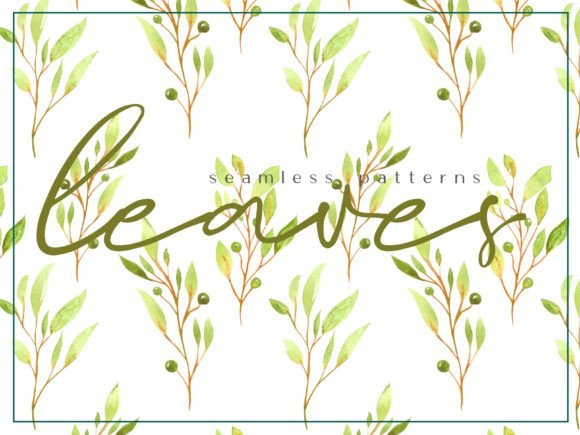
If you’ve ever spent hours adjusting spacing, aligning repeats, or wrestling with jagged edges in a tileable design—this pastel soft green watercolor leaves seamless pattern is your quiet reset button. It’s not just another leaf motif. It’s a thoughtfully crafted, hand-painted watercolor texture translated into a true seamless repeat—no visible seams, no awkward gaps, no pixelated edges. Each leaf flows naturally into the next, mimicking how real foliage clusters in nature: gentle, layered, unhurried.
That organic rhythm matters—especially when scaling across large surfaces. Whether you're printing on 10-yard fabric bolts or filling a full-wall mural, this pattern maintains visual harmony at every size. And because it's built from actual watercolor washes—not vector approximations—it carries subtle granulation, soft bleeds, and delicate pigment variation. That’s what gives it warmth, depth, and authenticity no flat digital brush can replicate.
What You Get (and Why Format Variety Matters)
This isn’t a single-file download. It’s a purpose-built toolkit for real-world design flexibility:
- 4 JPEG files — each with a different base color (soft sage, misty mint, pale seafoam, and warm celadon), all at 300 DPI and 10″×10″. Ideal for quick mockups, print proofs, or direct use in layout software where transparency isn’t needed.
- 4 PNG files — same four base colors, same resolution and dimensions, but with crisp white backgrounds. Perfect for presentations, client previews, or when you need clean, consistent color without layering complications.
- 1 transparent-background PNG — the most versatile file in the set. No background, no assumptions—just your watercolor leaves, ready to sit over any color, gradient, photo, or texture you choose.
The transparent version is where this pattern truly shines in modern design workflows. Drop it into Canva for an instant greeting card background. Layer it over a cream-colored linen photo in Photoshop for elevated stationery. Use it as a subtle overlay on a website hero section. Because it’s 300 DPI and precisely 10×10 inches, it prints flawlessly on everything from business cards to wallpaper rolls—no upscaling artifacts, no loss of softness.
Real Projects, Real Results
You don’t need a studio or a textile degree to make meaningful use of this pattern. Here’s where designers—and makers—are putting it to work right now:
- Fabric & Textile Design: Quilters love how the soft green tones complement natural fibers like cotton voile and linen. The seamless repeat ensures continuity across garment panels—think sleeve cuffs, pocket flaps, or full-dress lining. Surface designers also use it as a base layer under embroidery or foil stamping for added dimension.
- Stationery That Feels Intentional: Greeting cards, wedding invitations, and thank-you notes gain instant sophistication with this pattern. Try pairing the transparent version over a muted peach or warm ivory background—then add minimalist serif typography. The result? Elegant, earthy, and quietly memorable.
- Digital & Print Marketing: Flyers, social media banners, and email headers benefit from its calm energy. Unlike bold geometric patterns that compete with text, this watercolor leaves design recedes just enough to support messaging—not overpower it. It’s especially effective for wellness brands, botanical shops, eco-conscious startups, and mindfulness coaches.
- Everyday Objects, Elevated: From notebook covers to tote bags and wrapping paper, this pattern transforms functional items into tactile experiences. The soft green palette reads as soothing—not saccharine—and works year-round, not just for spring. Bonus: because it’s seamless, it wraps cleanly around curved surfaces like mugs or phone cases (when adapted by your printer).
Designing With Confidence: Compatibility & Practical Tips
This pattern was built with cross-platform ease in mind. The PNG files open instantly in Adobe Photoshop, Illustrator, Affinity Designer, Procreate, and—yes—even Canva. No plugins. No conversions. Just drag, drop, and adjust.
A few practical notes to keep in mind:
- Background flexibility = creative freedom. Since the transparent PNG lets you assign any background color post-import, you’re never locked into a single palette. Test it over charcoal gray for contrast, or over buttery beige for warmth. In Canva, simply select the element, click “Edit image,” then choose “Background Remover” (if needed) and apply your preferred color fill.
- Color accuracy starts with your screen—but doesn’t end there. Monitors vary. If precise Pantone matching is critical for brand consistency, pull a physical swatch book and compare printed samples. For most lifestyle, editorial, or small-batch craft applications, the on-screen soft green tones translate beautifully to print.
- Scale wisely. At 10″×10″ and 300 DPI, the pattern holds detail even when enlarged to cover a 48″×96″ wall panel—but if you’re using it for tiny icons or app UI elements, consider creating a simplified derivative (e.g., isolating a single leaf cluster) rather than shrinking the full repeat.
More Than Aesthetic: What Makes Watercolor Leaves Seamless Patterns Stand Out
In a landscape saturated with AI-generated textures and overused stock motifs, hand-painted watercolor leaves carry quiet authority. They signal care, craft, and intentionality—qualities consumers increasingly associate with trust and value. That’s why Watercolor Leaves Seamless Patterns are showing up not just on Etsy listings, but in boutique packaging, indie magazine layouts, and even sustainable fashion lookbooks.
But it’s not just about perception. Watercolor’s inherent softness lends itself to adaptability. Harsh lines fatigue the eye; gentle gradients invite pause. That makes these patterns uniquely suited for environments where attention is scarce and mood matters—like healthcare waiting rooms, yoga studio walls, or children’s learning spaces.
And unlike rigid geometric repeats, watercolor-based seamless patterns breathe. They tolerate slight rotation, gentle distortion, or subtle opacity shifts without breaking visual logic. That means you can experiment freely—tilt the pattern 5 degrees for movement, reduce opacity to 30% for watermark-like subtlety, or blend two versions (e.g., sage + transparent) for custom depth—all while preserving cohesion.
Getting Started Is Simpler Than You Think
You don’t need to overhaul your entire design process to benefit from this pattern. Start small:
- Open your transparent PNG in Canva. Choose a blank A6 card template. Fill the background with a warm oat color. Overlay the pattern at 70% opacity. Add a simple “Thank You” in a light-weight sans-serif. Done—elegant, cohesive, under five minutes.
- In Photoshop, create a new 18″×24″ canvas at 300 DPI. Place the sage JPEG. Use “Edit > Transform > Scale” to adjust tile density. Then go to “Filter > Noise > Add Noise” (1–2%, Gaussian, Monochromatic) to reintroduce subtle texture—mimicking real paper grain.
- For fabric printing: upload the misty mint PNG directly to Spoonflower or Printful. Preview how it renders on organic cotton sateen—the soft green deepens slightly, the watercolor blooms gently, and the repeat stays invisible across seam allowances.
Each use case reaffirms the same truth: great surface design isn’t about complexity—it’s about clarity, consistency, and quiet confidence in the details. And with this pastel soft green watercolor leaves seamless pattern, those details are already painted, perfected, and ready for you to build upon.